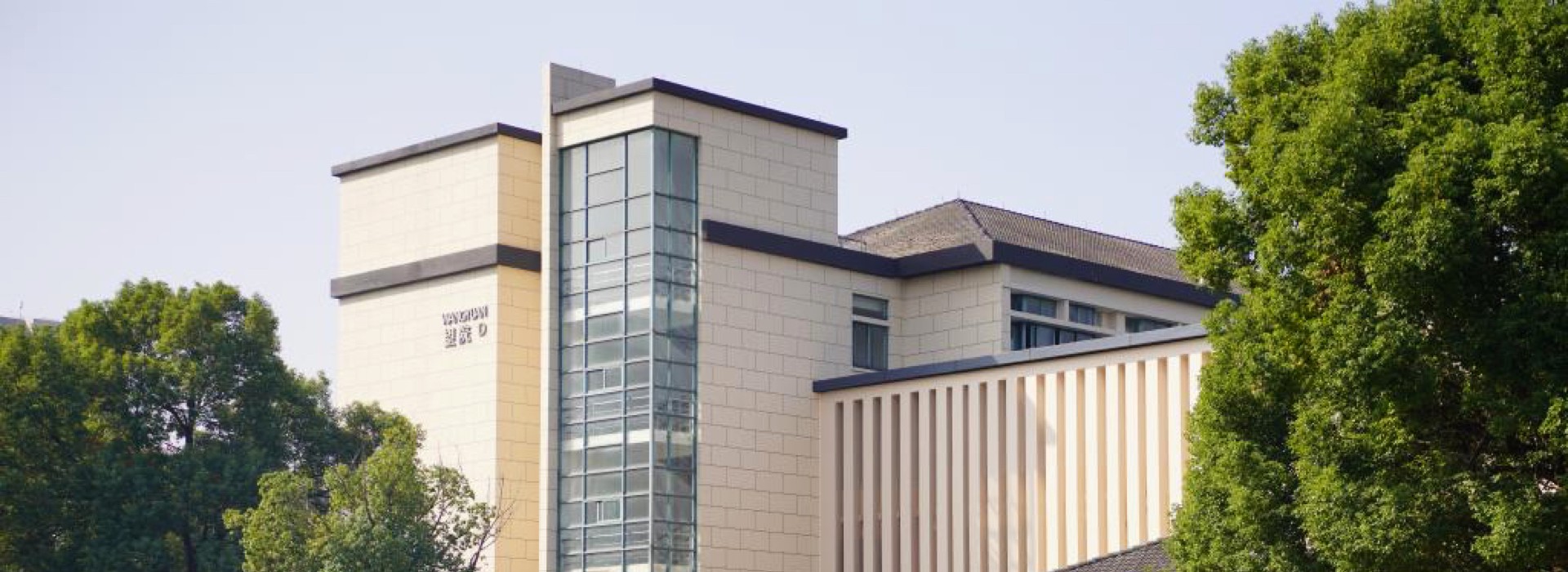
The 2026 China (Zhejiang)–Brazil University Presidents Dialogue was held at Zhejiang International Studies University (ZISU) on November 17.Under the themed “Digital Intelligence Empowering Industry–Education Integration: Jointly Writing a New Chapter in China–Brazil Cooperation,” the event built a higher-education dialogue platform between Zhejiang and Brazil to enhance mutual understanding, promote practical cooperation, andjointlyopen new prospects for China–Brazil highereducation cooperation, while injecting educational momentum into the China–Brazil comprehensive strategic partnership.
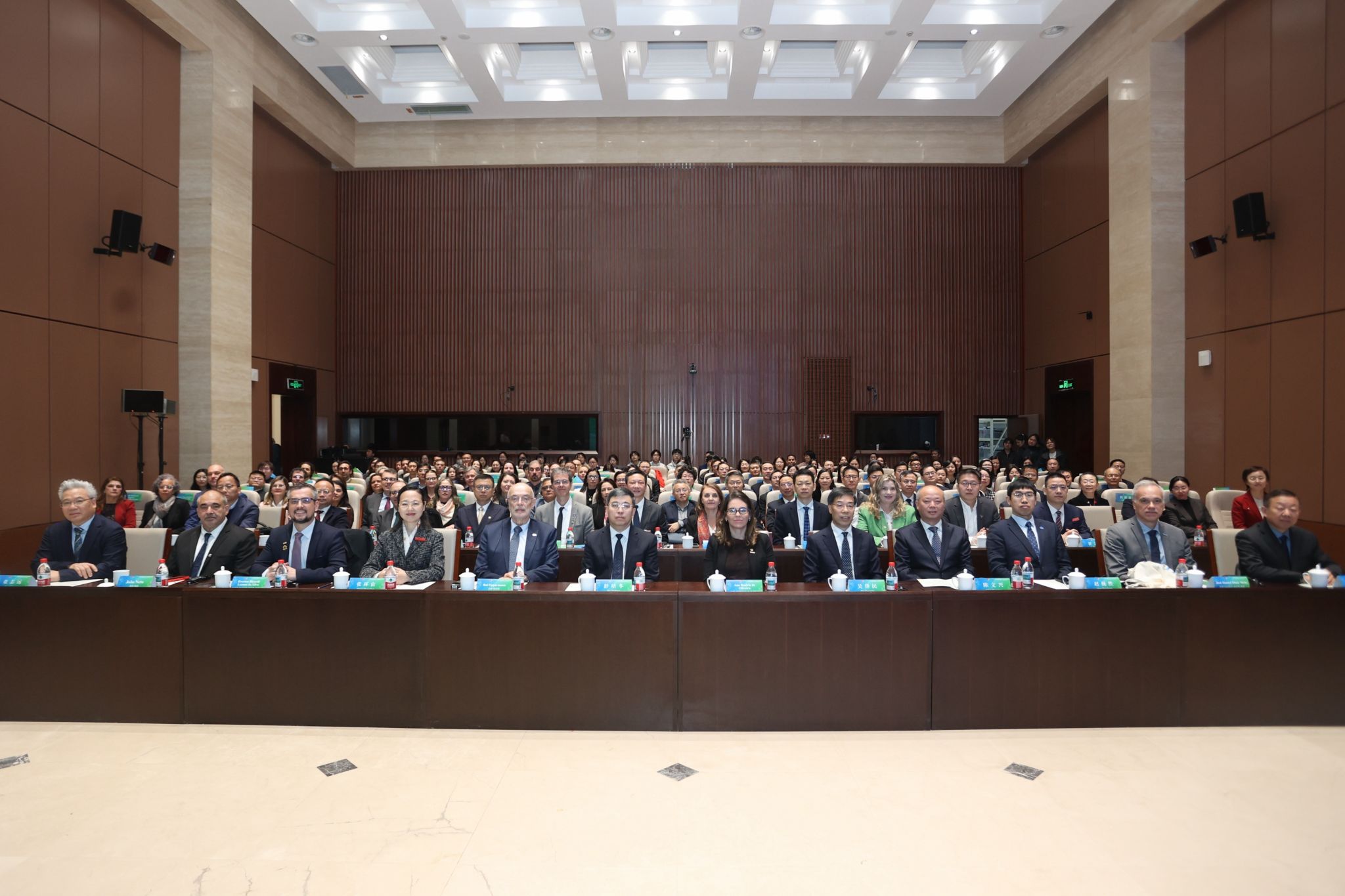
The dialogue was guided by the Embassy of the People’s Republic of China in the Federative Republic of Brazil, the Center for Language Education and Cooperation of the Ministry of Education of China, and the Zhejiang Provincial Department of Education. It was jointly hosted by the Zhejiang Association for International Exchange of Education and the Brazilian Association of Presidents of Federal Higher Education Institutions, and organized by Zhejiang International Studies University, Zhejiang A&F University, and Beihang University.
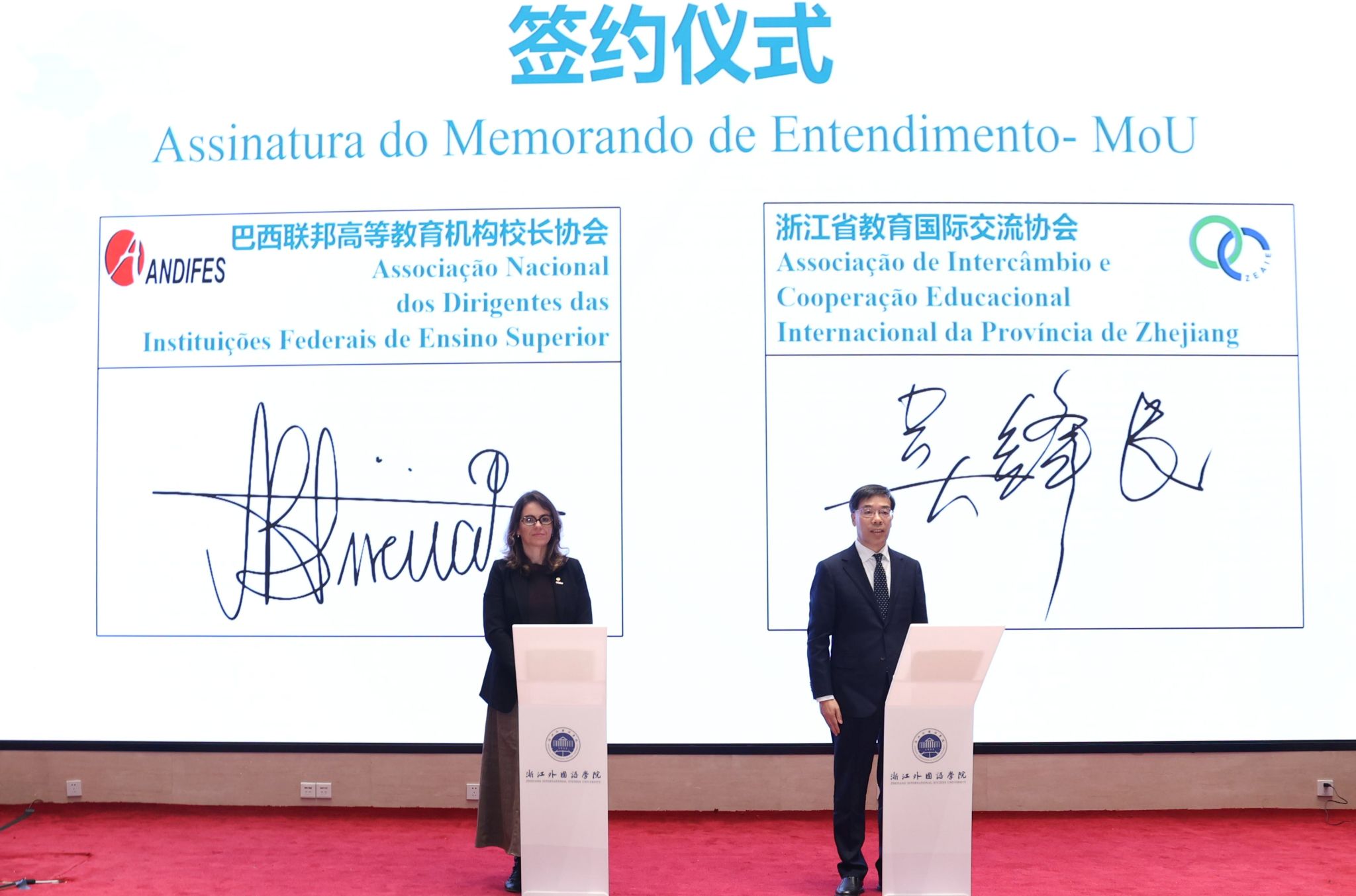
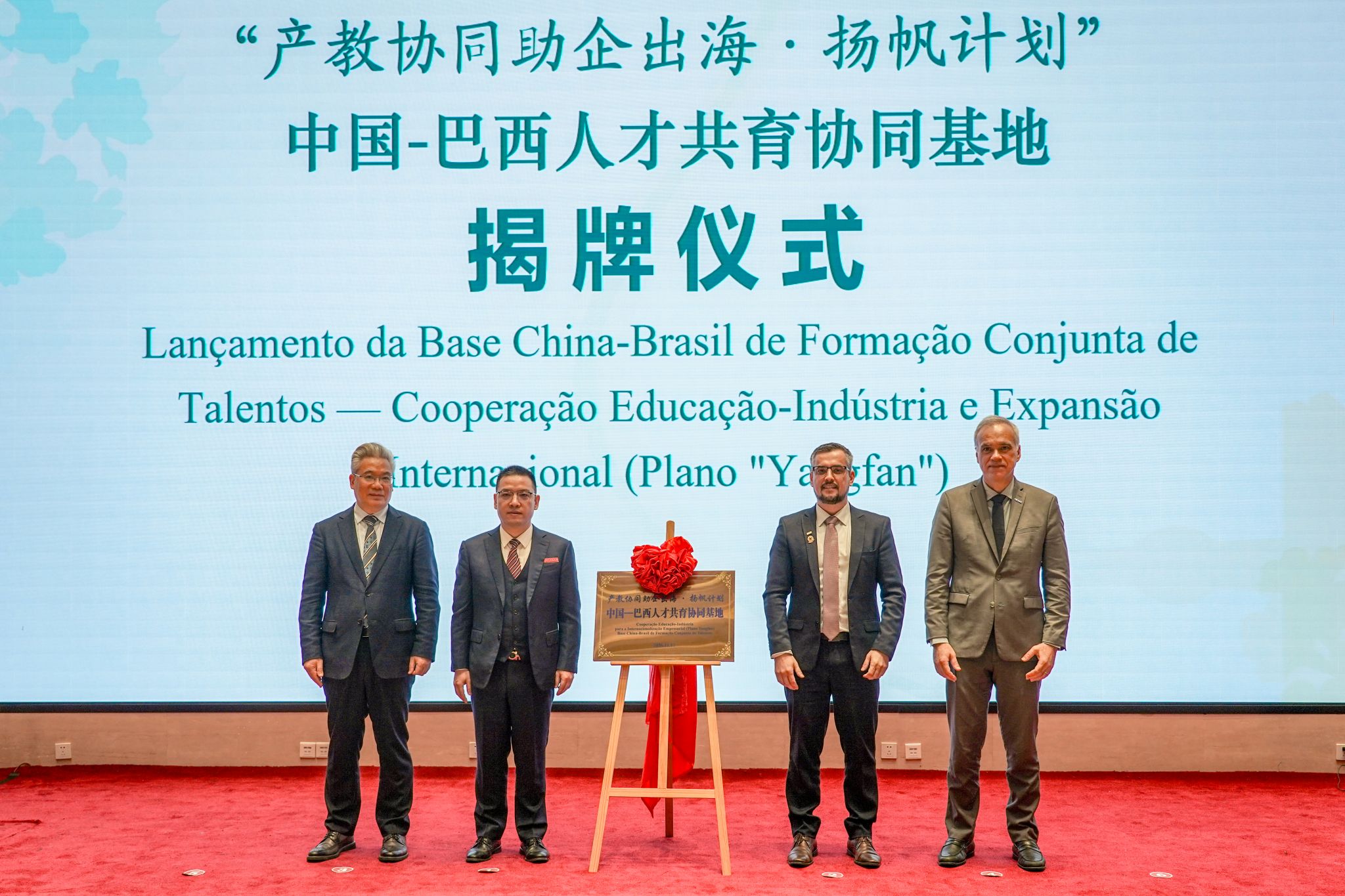
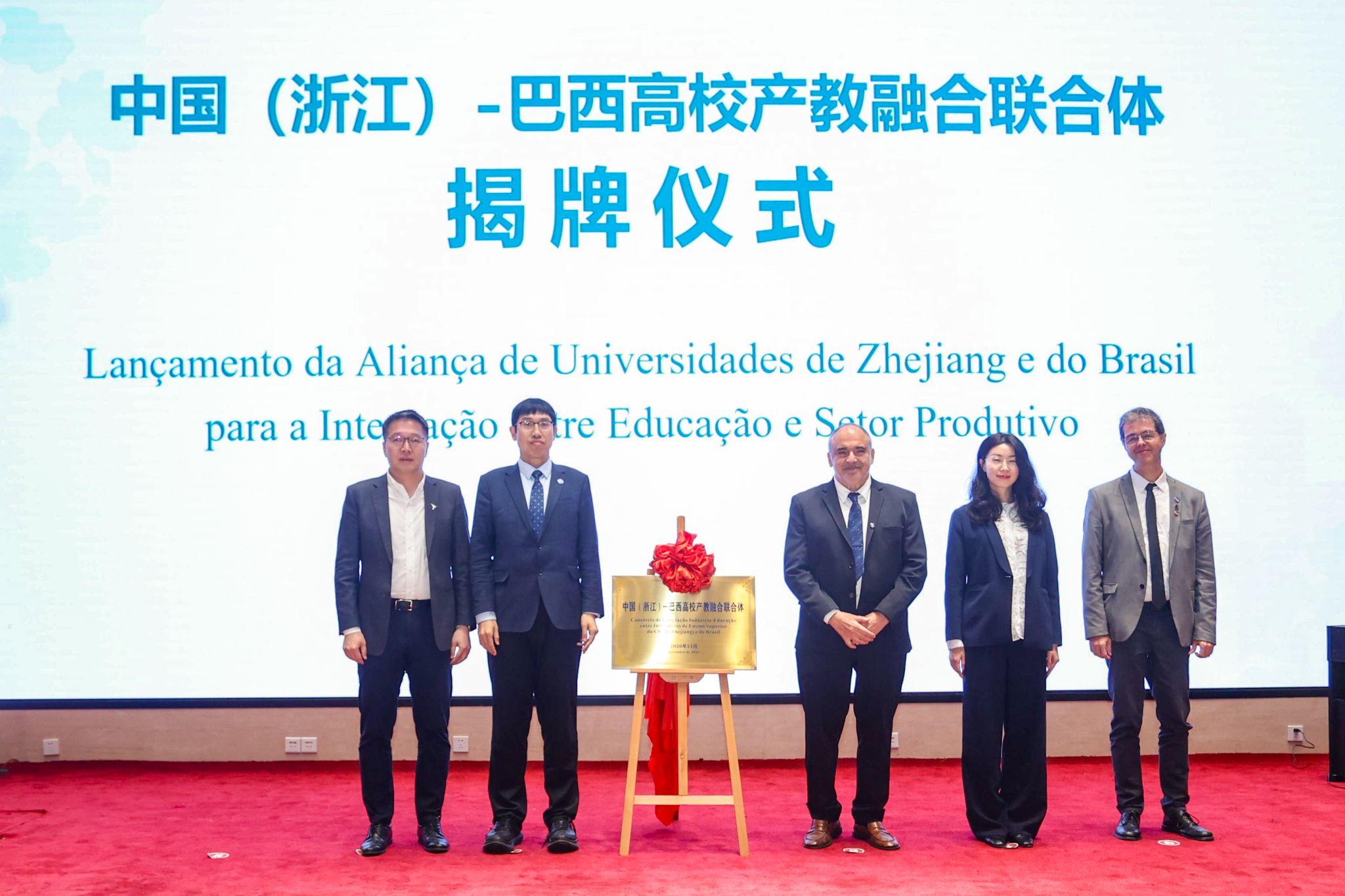
The Zhejiang Association for International Exchange of Education and the Brazilian Association of Presidents of Federal Higher Education Institutionssigned a memorandum of understanding. The “China (Zhejiang)–Brazil University Industry–Education Integration Consortium” and the China–Brazil Talent Co-cultivation Collaborative Base under the “Sailing Plan” for industry–education collaboration to help enterprises go global were unveiled at the event. Four invited guests delivered keynote reports from the perspectives of technology, universities, enterprises, and mechanisms, discussing new pathways for China–Brazil educational cooperation.
The dialogue featured three roundtablesessions, where university presidents, experts, scholars, and representatives from enterprises and think tanks from China and Brazil exchanged views on “Technological Innovation and Sustainable Development,” “Civilizational Mutual Learning and School–Enterprise Collaborative Cultivation of International Talent,” and “Life-Science Innovation and Global Health Governance.” Consensus statements were released after each roundtablesession.
As 2026 marks the China–Brazil Year of Culture, the eventserved as an important starting point for industry–education coordination and joint talent cultivation in higher educationbetween Zhejiang and Brazil. Going forward, Zhejiang universities will actively participate in building long-term cooperation mechanisms and advance multi-level and wide-ranging exchanges and cooperation with Brazilian universities in talent cultivation, joint research, and industry–education collaboration.

 CN